
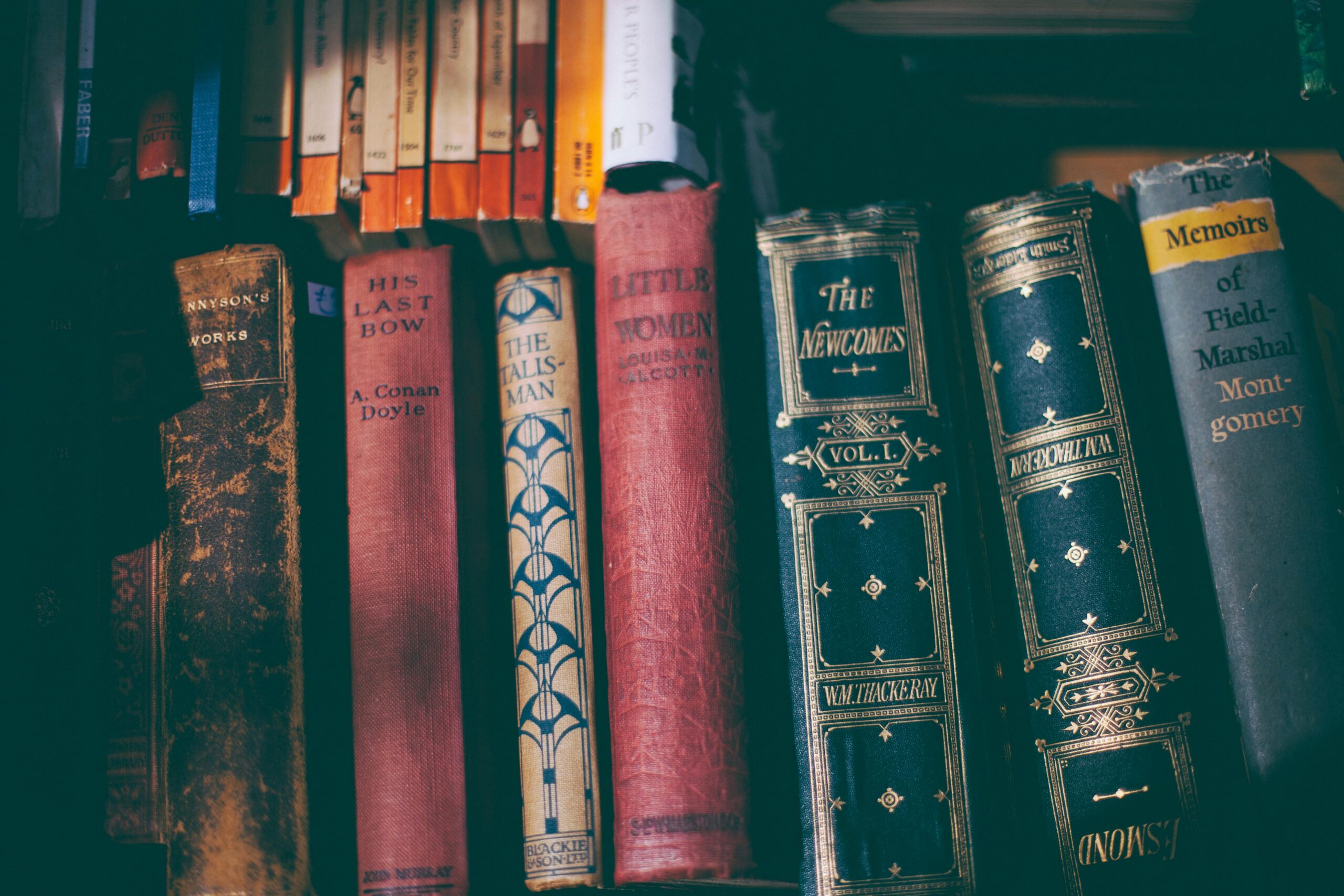
It seems logical to get rid of books you did not like, pass them on, donate them, free up the shelf for something better, and yet so many people keep them, tucked in among favourites like they belong there just as much. Not because they plan to reread them, not because they suddenly think they will change their mind, but because the book marks a moment, even if the moment was frustrating, disappointing, or confusing.
Sometimes the book mattered even if the story did not. You read it during a hard time, or a big change, or when you were chasing a particular idea about yourself, and now it sits there as proof that you were searching, trying, paying attention. The value is not in the enjoyment, it is in the attempt.
Other times the book stays because it taught you something by failing. It showed you what you do not like, what does not speak to you, what kind of voice or story leaves you cold, and that is still part of building taste. We learn as much from rejection as we do from love, even if we do not frame it that way.
And sometimes, if we are being honest, the book stays because letting it go would feel like admitting something about ourselves, that we followed hype, or bought into an image, or wanted to be the kind of person who reads that sort of thing. Keeping it becomes a gentler version of that truth, a reminder of who we thought we might be, without having to make a big statement about it.
So shelves end up holding not just favourites, but experiments, missteps, phases, and that is not clutter, it is history. A record of curiosity, even when it did not pay off in the neat way people like to imagine reading should.
Leave a Reply