
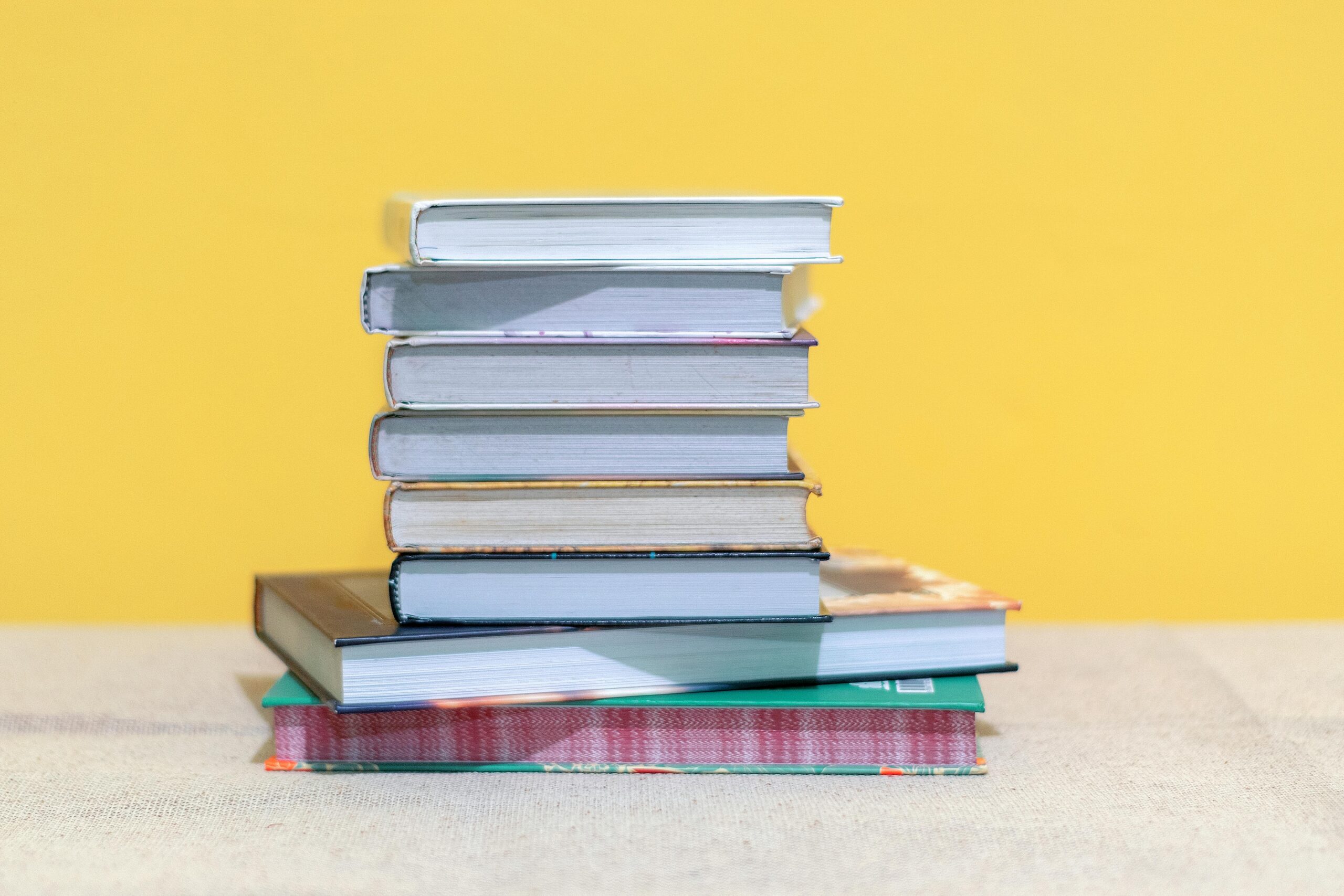
People keep asking why anyone still reads when everything is faster now, louder, easier to scroll, easier to half watch while doing three other things, and the question always feels a bit backwards, like asking why anyone still breathes when there are machines that can do it for you. Reading is not about efficiency. It is about attention, and attention has quietly become one of the rarest things most of us still control.
A book does not flash, it does not vibrate in your pocket, it does not interrupt itself to sell you something, it just sits there and waits, which sounds passive but is actually demanding, because you have to meet it halfway, fill in your own images, your own voices, your own emotional bandwidth, and in a world that keeps training us to react rather than reflect, that kind of engagement starts to feel almost radical.
There is also something about the pace of it, the way you can sit inside a thought for pages at a time, follow a feeling all the way through instead of cutting it off at the knees with the next notification, the next outrage, the next tiny hit of novelty. Stories need time to build. Ideas need space to get complicated. You cannot skim your way into understanding grief, desire, history, or why people do the things they do, and books are one of the last places that still let complexity exist without immediately flattening it into something clickable.
And then there is the quiet solidarity of it, the strange intimacy of knowing that someone, somewhere, at some other time, sat down and tried to put something true into words, not just to perform, not just to provoke, but to reach out to a stranger they would never meet. That is not old fashioned. That is human. We have been doing it for as long as we have had language and something to say about what it feels like to be alive.
Books also hold the stuff that does not fit neatly anywhere else, the long stories, the awkward feelings, the slow realisations, the bits that do not resolve quickly or cleanly. They let you sit with things instead of rushing past them, let you stay in a mood, a question, a memory, for as long as you need, without anyone nudging you to move on.
So maybe reading does not look urgent compared to everything else shouting for your time, but it does something quieter and deeper. It gives you a stretch of uninterrupted thinking. A place where your own voice gets to meet someone else’s and see what happens. Not an escape, exactly, more like a pause where things can settle enough to make sense again.
And maybe that is why books still matter, not because they are noble or clever or culturally approved, but because they still let us slow down inside our own heads, follow a thought properly, feel something all the way through, and come out the other side slightly shifted, which is a small, private kind of change, but it adds up.
Leave a Reply