
(and Why That’s Not a Bad Thing)
At some point, buying books stops being only about what you are going to read next and starts being about what you want to live with. The stack on the bedside table grows faster than the hours you actually have, the shelves start filling with things you swear you will get to, and suddenly it is not just a reading habit, it is a relationship with objects, with covers, with spines, with the quiet promise of time you do not yet have.
And that shift is not always about distraction or lack of discipline, even if people like to joke about unread piles like they are a moral failing. Sometimes it is about recognition. You see a book and something in it feels like it belongs with you, like it matches a question you keep circling, a mood you are in, a version of yourself you are becoming, even if you are not ready to sit down and read it right now. So you take it home, not to consume immediately, but to keep close.
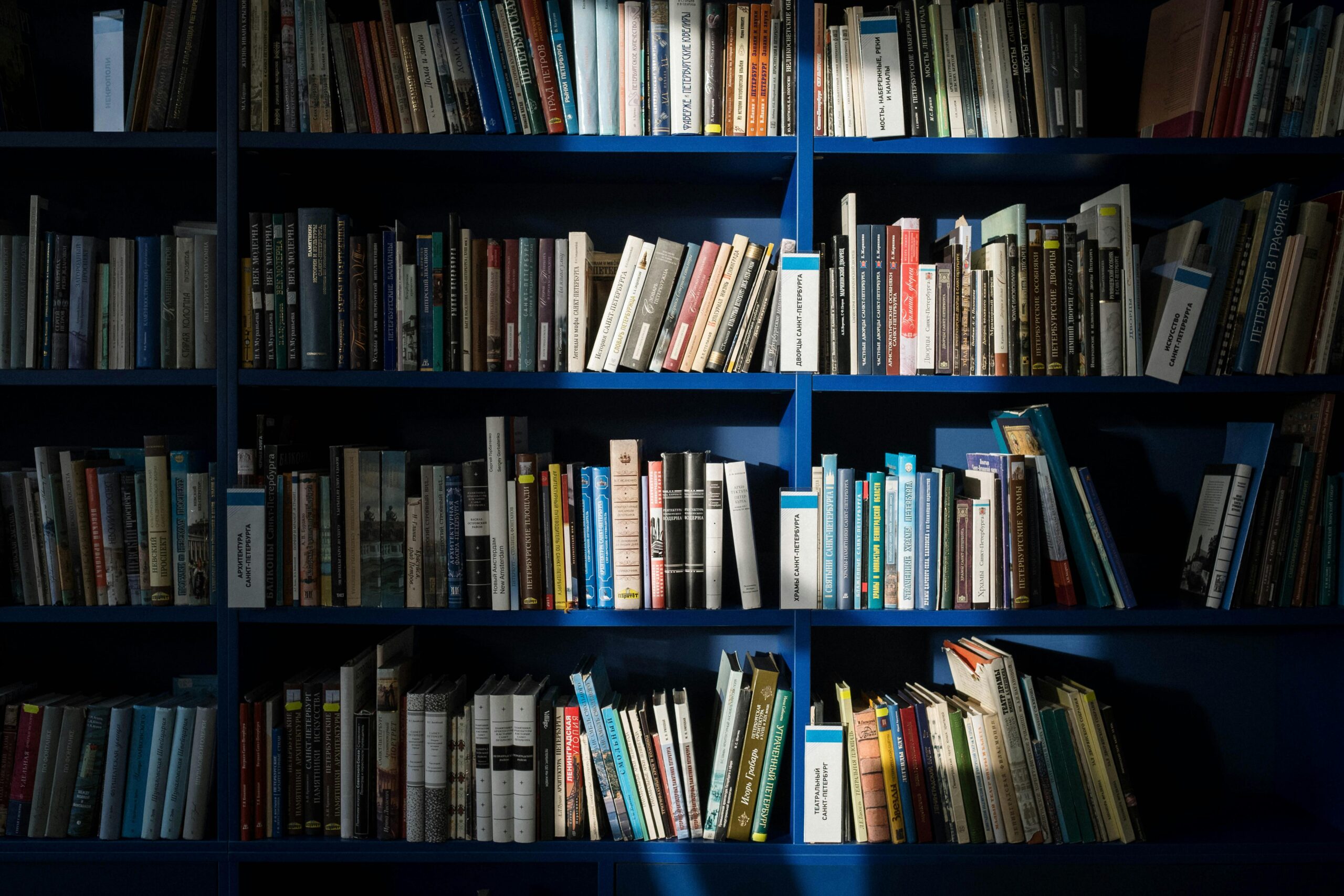
Collecting starts when books become part of how you build your inner world on the outside. They start to say something about what you care about, what you return to, what you want to understand better, what kind of stories you want within reach. You might not be reading all of them, but you are curating them, arranging them into a kind of map of your interests, your politics, your comforts, your obsessions, and that is not the same thing as hoarding content.
There is also comfort in potential. In knowing that when the right moment hits, when you are tired, curious, lonely, restless, or suddenly hungry for something that is not a screen, there is a physical thing waiting that does not need charging or updating or scrolling. Just opening. That matters more than people admit. It is not procrastination, it is preparation, even if it does not look productive on a spreadsheet.
And then there is the sensory side of it, the weight, the paper, the smell, the way certain editions feel like they belong to a particular time in your life, a particular flat, a particular version of you. Some books are not just stories, they are souvenirs of who you were when you found them, and you keep them for that reason even if you never read them again, or never finished them in the first place.
So when does buying books stop being about reading and start being about collecting. Probably when the books start meaning more to you as companions than as tasks. When they are no longer just things to get through, but things to keep around, to live with, to return to, to notice in passing as you walk through the room and remember that part of yourself is still there, waiting.
And maybe that is not a failure of reading culture at all, maybe it is a deeper form of it. Less about throughput, more about presence. Less about finishing, more about belonging. Because not every relationship with a book is about sitting down and turning the last page. Some of them are just about knowing it is there, part of your landscape, part of your long conversation with words, even if you have not quite got round to listening yet.
Leave a Reply